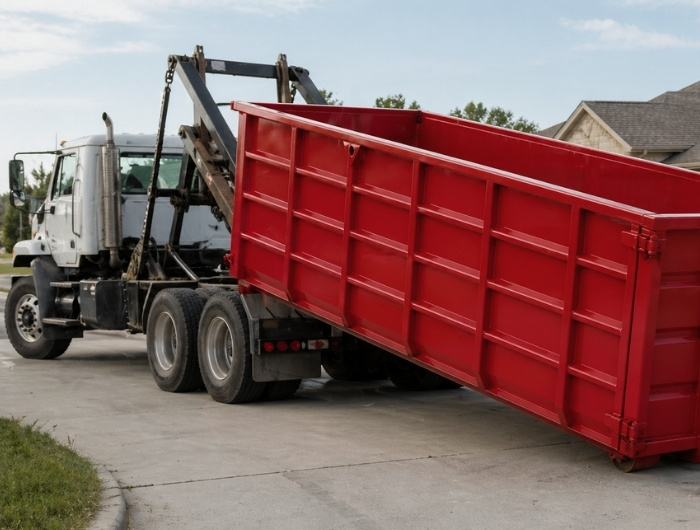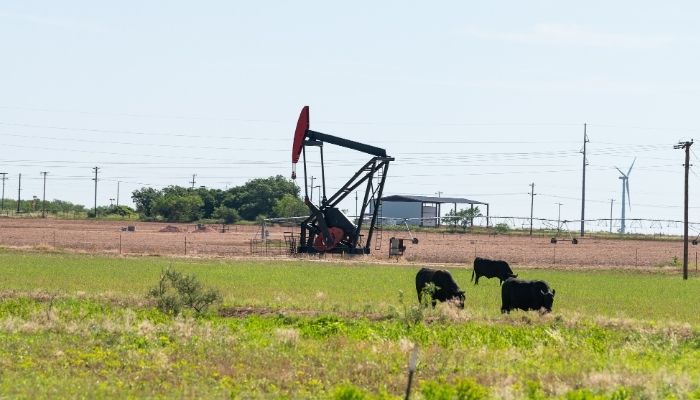
West Texas Dumpsters delivers roll-off containers across Loving County, the least populated county in the United States, and one of the most active patches of oilfield real estate in the Permian Basin. Our team supports operators, pipeline crews, and industrial contractors working across the county’s lease properties, with regular runs through Mentone (the county seat) and the surrounding Delaware Basin.
Loving County’s population is small enough to fit in a barn, but the well count, pipeline mileage, and crew traffic across it are among the densest in the basin. The customer mix here is almost entirely oilfield and industrial.
Where We Deliver in Loving County
Our service area covers Loving County in full, including Mentone, the unincorporated stretches along Highway 302, the Red Bluff Reservoir corridor on the western edge of the county, and the lease properties scattered across the rest of the county.
Mentone is the only incorporated location in Loving County and serves as the operational reference point for crews working the surrounding wells, but the great majority of our deliveries here go directly to lease pads, gas plants, compressor stations, and pipeline staging areas on private property.
Because Loving County has no city-level municipal infrastructure to speak of (no city public works department, no municipal collection routes, no local landfill), customers in the county rely on private haulers like West Texas Dumpsters for both roll-off containers and portable sanitation.
Our drivers run deliveries up Highway 302 from Pecos and across from Kermit on a regular cadence, with timing dictated by lease and rig activity rather than residential routes.
For projects in Reeves County to the south or Winkler County to the east, the dedicated location pages cover those service details.
The Loving County customer base reflects what the county actually is: an oilfield. Almost everything we deliver here supports upstream and midstream oil and gas operations.
Oilfield operators running active wells and pads across the Delaware Basin make up the bulk of our work. That includes pad construction debris, drill site cleanups, completion phase trash, decommissioning waste, and general lease-level housekeeping. Containers placed on lease surface stay on private property, so they avoid the access and permitting friction of city placements.
Pipeline construction and integrity crews moving across the county and into adjacent Reeves and Winkler counties pull containers and portable sanitation for spread setups, ROW cleanups, and tie-in work. We coordinate timing with crew schedules, including swap-outs at spread move points so waste doesn’t slow down the line.
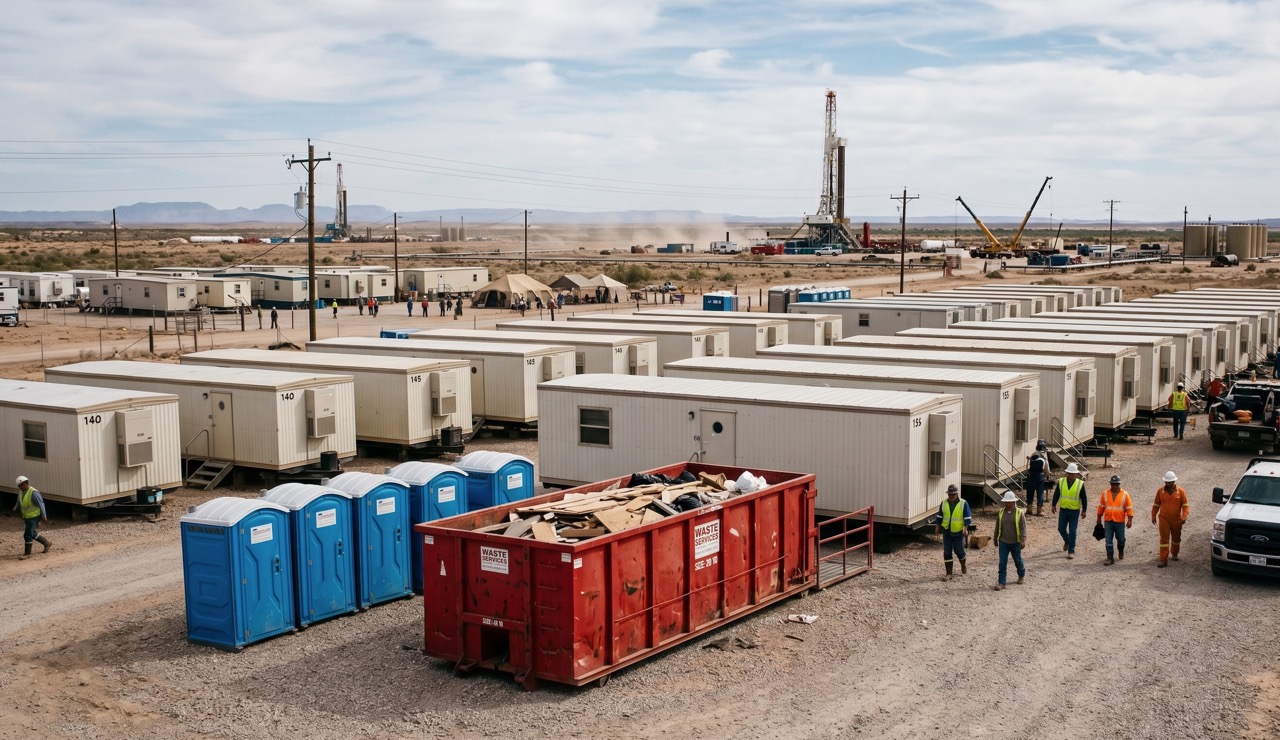
Man camp operators housing crews in the remote stretches of the county rely on portable sanitation, large quantity holding tanks, multi-daily pump outs, and non-potable water support. Since most of these camps sit miles from any utility hook-up, the full-service approach matters more here than in markets with built-out infrastructure.
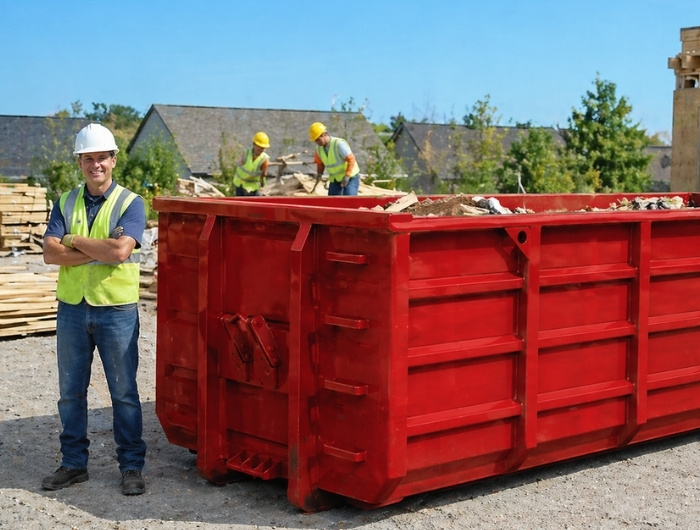
Industrial contractors servicing the gas plants, compressor stations, and tank batteries across the county pull containers for turnaround work, scheduled maintenance, and unplanned cleanouts. Same goes for frac and completion crews, who use 30 and 40 yard containers for liner removal, brush, and general site material.
We deliver three roll-off sizes into Loving County, each subject to a 10-ton DOT weight cap that applies to all Texas roads regardless of container size. Loving County sits in the outer ring of our service area, so the standard delivery fee is $250 to reflect the longer haul out of the Odessa yard.
Rental rates depend on container size, included tonnage, and project specifics, with overages billed at $85 per ton beyond the included amount.
Call 800-996-9862 for a free quote on your job.
Dimensions: 22’L x 8’W x 4’H
Ideal For: Smaller-volume oilfield jobs and contained work zones
Typical Use Cases: Lease pad housekeeping, smaller well site cleanups, short-term completion phase work, and crew quarter clear-outs. The lower side height makes hand loading easier when tank battery space is tight.
Price: $695 (first 3 tons, then $85/ton)
Dimensions: 20’L x 8’W x 6’H
Ideal For: Mid-volume lease and pipeline work
Typical Use Cases: Standard pad cleanups, pipeline crew job sites, gas plant maintenance work, and mid-sized completion or decommissioning jobs. The workhorse size for most projects in the county.
Price: $795 (first 4 tons, then $85/ton)
Dimensions: 22’L x 8’W x 8’H
Ideal For: Major industrial, decommissioning, and large-scale lease work
Typical Use Cases: Frac pit liner removal, lease decommissioning, large-scale pad demolition, gas plant turnaround work, and major construction debris. Even at this size, the DOT 10-ton cap still applies, so the 40 yard is best matched to bulky-but-lighter materials like wood, drywall, sheet metal, and brush rather than dense materials like dirt or concrete.
Price: $895 (first 5 tons, then $85/ton)
Note: Dimensions may vary slightly depending on current fleet stock.
For the great majority of Loving County rentals, no permit is required. If your container is going on private property (a lease, ranch, gas plant yard, compressor station, or any other private surface), there’s nothing to file. This covers nearly every delivery we run in the county.
The exception is when a container needs to sit inside a public road right-of-way. State highways in the county (including Highway 302) fall under TxDOT jurisdiction, and county roads are managed by the Loving County Commissioners Court.
These placements are uncommon for oilfield work since most leases have direct private access from the road, but if your job calls for one, call us at 800-996-9862 and we’ll route the request appropriately.
For a fuller overview of the licenses and permits TXP carries to operate across the Permian Basin, see our permit’s page.

Acceptable Materials:
Prohibited Items:
Unsure? Call (800) 996-9862 for clarification.
Material collected from Loving County jobs is hauled to Diamondback Landfill in Odessa, a facility owned by our parent company TXP Environmental. The vertical integration matters more here than in markets close to the yard.
For compliance-sensitive work in the Delaware Basin (oilfield, industrial, contaminated soil), the chain of custody runs from your lease in Loving County straight to a TXP-owned facility under documented procedures, without a third-party tipping handoff in the middle.
That documentation holds up in audits and avoids the disposal-fee volatility that hauler-only competitors deal with when third-party landfills adjust their rates.
West Texas Dumpsters operates under credentials that go beyond what standard roll-off rental companies carry, giving Loving County customers proper documentation, accurate manifests, and a defensible audit trail on every job.
We hold:
We ensure every job in Loving County meets state and federal environmental standards. For a complete overview of TXP’s credentials, see our permit’s page.

Loving County doesn’t run a county-level permitting system for dumpster placement on private property, so for the majority of jobs (lease, ranch, gas plant yard, compressor station) there’s nothing to file before the container drops. The exception is when a container has to sit inside a public road right-of-way. State highways like Highway 302 fall under TxDOT, and county roads route through the Loving County Commissioners Court, but those placements are uncommon for oilfield work since lease access is almost always private.
Most of our Loving County deliveries go to lease pads, gas plants, and pipeline staging areas reached by unpaved roads, so unpaved access is the norm here, not an obstacle. What we need from you is a clear access description (lease name, GPS coordinates if you have them, nearest county road or highway turn-off) and a contact on site who can guide the driver in or open a gate. For sites with active rig work, we coordinate with the company man on placement, timing, and any safety briefing requirements before the truck rolls onto the pad.
Yes. Frac liner pulls, completion-phase trash, casing-job debris, and pad housekeeping are core to the work we do for Delaware Basin operators across Loving County. The 30 and 40 yard containers handle the volume on most completion jobs, with the 10-ton DOT cap as the operating constraint on dense material. For oil-saturated soil pulled during pit closeouts or remediation, that work routes through our Contaminated Soil Services line rather than a standard roll-off, since the documentation and licensing requirements are different.
Every load gets a manifest with the disposal facility (Diamondback Landfill in Odessa), the haul date, container size, and weight ticket from the scale at intake. For waste streams tied to RRC-regulated oilfield activity, the Railroad Commission documentation runs alongside the standard manifest, and contaminated soil loads carry their own RRC paper trail with full chain of custody from lease to disposal cell. That’s the audit-defensible package operators and compliance officers expect, and it ships with every load by default.
Five days of notice is the recommended cadence because of the haul distance from the Odessa yard, but we’re set up to handle short-notice deliveries when rig schedules shift. Active drilling, completion work, and unplanned cleanouts run on their own clock, and we’d rather get a call at 7 AM and run a same-day or next-day delivery than make a crew sit on a backed-up location. Call 800-996-9862 directly for short-notice requests and dispatch will work the schedule from there.
To schedule a roll-off container anywhere in Loving County, call 800-996-9862 or request a quote online. Our team confirms container size, delivery location, and rental period before the drop, and we coordinate with rig schedules, pipeline spread moves, and turnaround timelines across the Delaware Basin.