West Texas Dumpsters handles contaminated soil cleanup across the Permian Basin, from single-tank spill sites to spread-out lease cleanups other haulers skip. We stage containers, haul the loaded soil, and dispose of it under Railroad Commission requirements, work we are licensed to do and most local roll-off companies are not.
Because our parent company owns Diamondback Landfill in Odessa, we control the disposal end and keep a clean chain of custody from your site to final disposal.
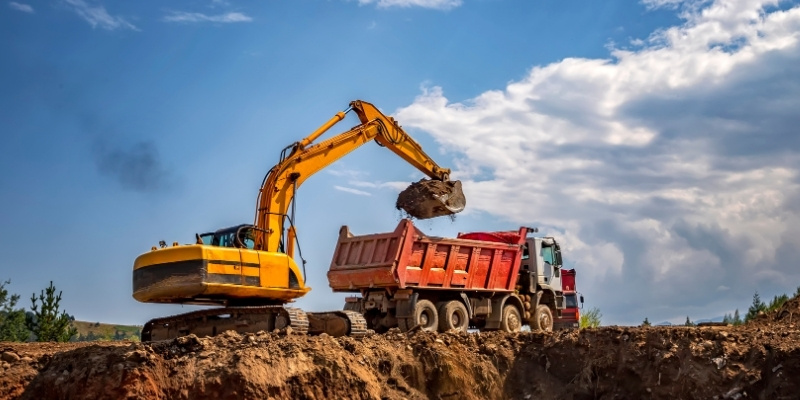
Contaminated soil is special waste, and moving it legally takes more than a truck and a container. West Texas Dumpsters is authorized to transport oil and gas waste under Railroad Commission Registration RN109046839 and holds a Contaminated Soil Hauling License through the Commission, alongside EPA ID TXR000083663 and IHW Transporter License SWR 96263.
We handle Class 1 and Class 2 non-hazardous special waste: petroleum-contaminated soil, drilling-impacted soil, and spent sandblast media.
Soil that tests above Class 2 is hazardous waste, and that requires a licensed hazardous waste hauler. When that happens, we will walk you through steps you need to take. That transparency and honesty is part of why operators bring us the work that has to be done right.
Every load starts with classification. We coordinate toxicity characteristic leaching procedure (TCLP) testing so the soil is profiled before it moves, which tells us whether it is non-hazardous special waste we can take and which facility it belongs at.
Once the profile comes back, we set up the waste profile with the receiving facility, stage the right container on your site, and load the soil when the job calls for it. The load moves on a manifest under the Railroad Commission requirements that govern oil and gas waste transport, then goes to the correct disposal facility.
Much of the non-hazardous contaminated soil we haul goes to Diamondback Landfill, which our parent company owns. That ownership is why we can hold one chain of custody from loadout to disposal instead of handing your waste to an outside operator and losing visibility on where it lands.
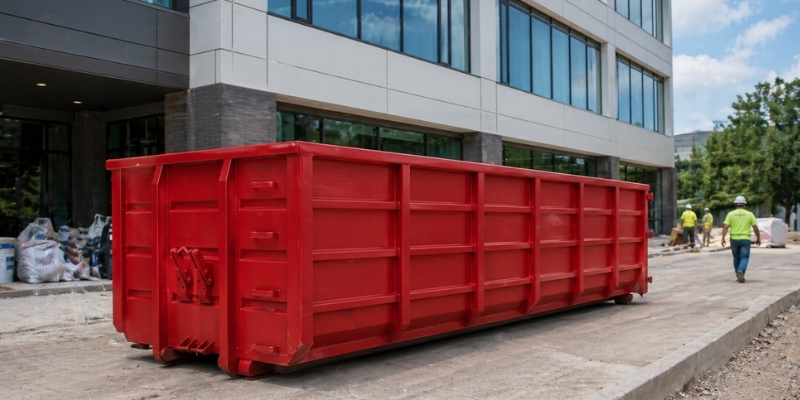
Contaminated soil is heavy, so the right container is usually about staying under the legal road weight, not filling the box. All of our roll-off containers are capped at the 10-ton DOT legal maximum regardless of size, and soil reaches that weight fast.
The 20-yard roll-off is the workhorse for soil loadout on most spill sites. For larger excavations or staging several loads at once, the 30-yard and 40-yard give you more room between hauls. We recommend the size and the number of containers based on your soil volume and how spread out the work is.
Spill cleanups rarely fit one container. As a roll-off fills, we run a swap: we pick up the full container, haul it for disposal, and drop an empty in the same spot so loadout never stops. The full container goes out under its own disposal, and the replacement is a separate rental.
For sites spread across a lease or a long run of right-of-way, we stage multiple containers at once and service them on a schedule that matches your pace. Remote location is not a problem. We cover the Permian Basin, including sites well off the main roads.
Leaving the land as it was usually means bringing in clean fill once the contaminated soil is gone. We run a separate backfill service for that part of the job.
Active cleanup sites often need more than soil containers. We also handle standard roll-off service for the broader project, so you are not juggling two vendors on one site.
Contaminated soil work is where credentials and disposal control matter most, and it is where we are built to compete. Our operations managers are PEC-certified, so the people coordinating your job know oilfield site requirements firsthand.
We cover the full Permian Basin out of Midland and Odessa, reach remote lease sites, and our parent company owns the disposal end through Diamondback Landfill. The right licenses, real coverage, and controlled disposal are hard to find in one local hauler. Call 800-996-9862 to talk through your site.

We handle the hauling and disposal side of cleanup: classification, container staging, loadout, transport, and disposal of petroleum-contaminated soil. We are not a remediation engineering firm, but we are the licensed hauler that moves and disposes of the soil your cleanup generates.
We take Class 1 and Class 2 non-hazardous special waste, including petroleum-contaminated soil and spent sandblast media. If TCLP results show the material is hazardous, it requires a licensed hazardous waste hauler, and we will tell you so directly.
We coordinate the TCLP testing and set up the waste profile so the soil is classified before it moves. That keeps the load compliant and routes it to the correct disposal facility.
For most non-hazardous contaminated soil in our area, it goes to Diamondback Landfill, owned by our parent company. That ownership lets us keep one chain of custody from your site to final disposal.
Soil is heavy, so the choice is usually about staying under the 10-ton road-legal weight rather than filling the container. The 20-yard roll-off handles most spill loadouts, and we recommend size and quantity based on your volume.
We cover the Permian Basin out of Midland and Odessa, including remote lease sites.
When you have contaminated soil to move, the licensing and the disposal trail are what keep you out of trouble, and West Texas Dumpsters covers both. Call 800-996-9862 or request a quote, and we will tell you what we can take, how we will classify it, and where it goes. Quotes are by location across the Permian Basin.
Ready to get started? Call us at 800-996-9862 for pricing, any questions you may have, and to get your dumpster or porta-potty delivery on schedule. Or simply complete the form below.
