West Texas Dumpsters provides oilfield waste disposal across the Permian Basin, from roll-off containers on active well sites to licensed hauling of contaminated soil and sandblast media that most companies are not permitted to touch.
We work the remote pads, frac sites, and pipeline spreads where a general hauler will not go, and we handle the testing, profiling, and manifesting that keep your job compliant. Call 800-996-9862 to scope your site.
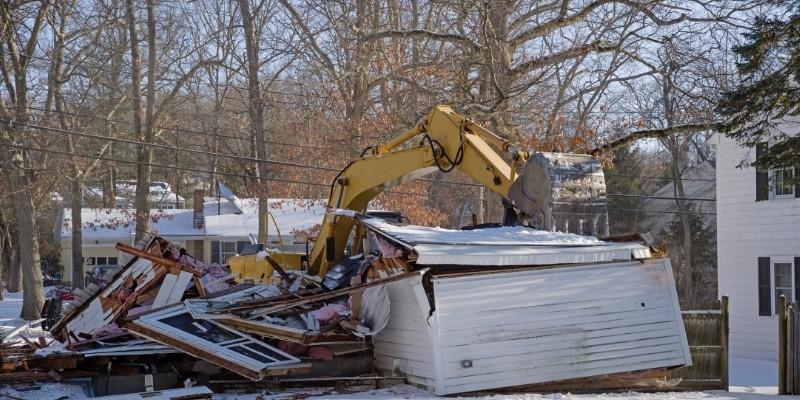
Most of what comes off an oilfield job is ordinary construction and demolition debris, and a roll-off container handles that. The work that disqualifies a standard dumpster company starts when the material has to be tested before it can legally move. We are licensed to haul Class 1 and Class 2 non-hazardous special waste, which covers the contaminated soil and abrasive media that show up on real well-site and pipeline work.
We haul under EPA ID TXR000083663, Railroad Commission Registration RN109046839 for oil and gas waste, and IHW Transporter License SWR 96263, with a separate Contaminated Soil Hauling License from the Railroad Commission of Texas. A standard dumpster company does not carry these, which is why they cannot take the call when the soil tests positive.
For contaminated soil and sandblast media, we coordinate the TCLP testing that classifies the material, set up the waste profile once it comes back non-hazardous, and haul it to the correct facility under Railroad Commission requirements.
If a sample tests above Class 2, the job needs a specialized hazardous waste hauler, and we tell you that rather than moving something we are not permitted to carry. The full classification and disposal process lives on our contaminated soil page.
Oilfield waste services we handle include:
We run three roll-off sizes, and the right one depends on the job. The 20-yard suits tight pad space and steady cleanup on a single site. The 30-yard is the workhorse for active well-site and facility debris, and the 40-yard handles high-volume teardown and decommissioning where the box fills fast and you want fewer swaps. Every size carries the same 10-ton DOT legal maximum.
Frame the size to the waste stream, not the other way around. Heavy material like contaminated soil hits the weight limit long before it fills the box, so a smaller container often makes more sense than it looks. We will size it with you, or recommend placement after a site survey.
Oilfield work is rarely one box on one site. We place multiple containers across a spread, rent by the duration of the job rather than a fixed week, and run swap service so a full box gets hauled for disposal and an empty drops in its place on the same site (the replacement container is a separate rental). The crew keeps working while the full one goes to the landfill.
On sites with soft or saturated ground, common around frac tanks and pits, we can set roll-off containers on rails so the box sits closer to the work area than a truck could safely reach on its own. We survey the site first and recommend placement that keeps the material from being handled more times than it needs to be.
Call 800-996-9862 to map out container placement and swap timing for your sites.
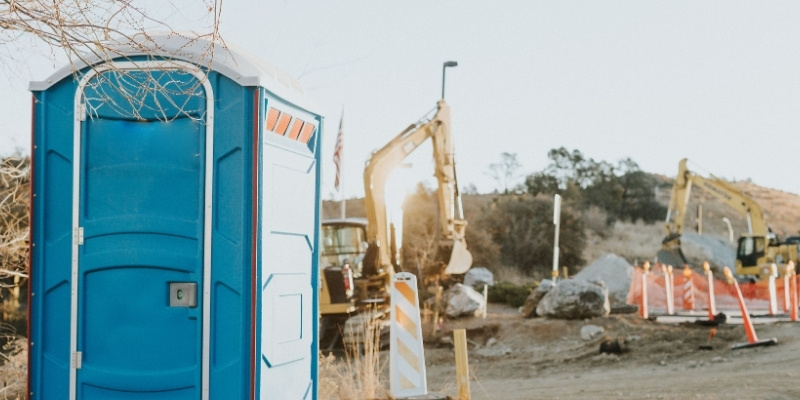
Most oilfield jobs need more than a container. For crews living on site, we run man camp sanitation: portable toilets, large quantity holding tanks for waste capture, non-potable water supply, and scheduled pump outs. We also drop portable toilets and handwashing stations on active sites for crews that are not camped overnight.
When a site comes down, the waste does not arrive all at once or in one form. We stage containers through the teardown, separate the special waste that needs profiling from the C&D debris that does not, and carry the contaminated soil and liner material under the licenses above.
Our operations managers handle the profiling and manifesting paperwork, so the chain of custody holds up if a regulator or operator asks for it later. We can also coordinate the soil analysis testing and get the results reviewed quickly, which keeps the disposal end from stalling the rest of the project.
West Texas Dumpsters is a Midland-based hauler serving the entire Permian Basin, from Midland and Odessa out through Ector, Pecos, Reeves, and Andrews counties and the towns around them. The oilfield work is our specialty, and the same trucks and containers serve commercial and construction jobs across the region, so an operator running mixed sites can keep one hauler for the whole footprint.
What sets our regional service apart is the licensed capability behind it. A general hauler can drop a container, but when a commercial or construction site turns up contaminated soil or special waste, we are already permitted to classify and move it. That is the difference between calling a second company and finishing the job with the one already on site.
For general construction and demolition dumpsters, remodels run by a contractor, and help choosing a size, our other pages go deeper.
Our operations managers are PEC-certified, which matters on sites that hold contractors to a safety standard before equipment gets through the gate. We cover the full Permian Basin, including the remote pads and pipeline spreads, and we know the difference between debris that can go straight to the landfill and material that has to be profiled first.
Waste we haul can go to Diamondback Landfill in Odessa, owned by our parent company TXP Environmental. That gives us control over the disposal end and a chain of custody from your site to the landfill gate, instead of relying on a facility we do not operate. Call 800-996-9862 to put a plan together for your site.
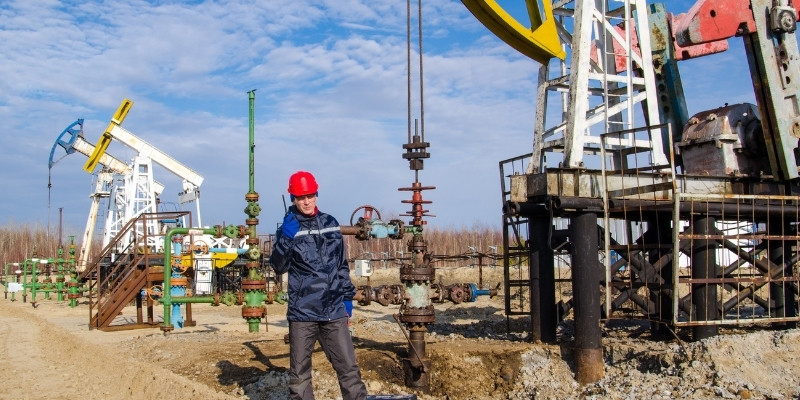
Yes. We are licensed by the Railroad Commission of Texas to haul Class 1 and Class 2 non-hazardous special waste, which covers most contaminated soil from well-site and pipeline work. We coordinate the TCLP testing that classifies the material, set up the waste profile once it comes back non-hazardous, then haul it to the correct facility. If a sample tests above Class 2, the job needs a specialized hazardous waste hauler.
For steady cleanup on a single pad, the 20-yard usually fits. The 30-yard is the common choice for active well-site and facility debris, and the 40-yard suits high-volume teardown and decommissioning. Heavy material like soil hits the 10-ton limit before it fills the box, so we often recommend a smaller size than the volume alone would suggest. We can scope it over the phone or after a site survey.
Yes. We are based in Midland and run containers and sanitation across the Permian Basin, from Midland and Odessa out to the remote pads and pipeline spreads. On soft or saturated ground near frac tanks and pits, we can set containers on rails to reach the work area.
We do. Oilfield waste is our specialty, and we also rent roll-off dumpsters and provide portable sanitation for commercial and construction projects across the region. Our construction dumpsters page has the detail for those jobs.
Yes. We rent by the duration of the job and run swap service, so a full container gets hauled for disposal and an empty drops in its place on the same site. For facilities with steady, high-volume disposal, compactor service moves more material per haul.
Pricing depends on your location, the container size, the waste stream, and how long the equipment stays on site. Because every oilfield job is scoped to the site, we quote by location rather than post a flat rate.
West Texas Dumpsters is the licensed source for oilfield waste disposal across the Permian Basin, from a single roll-off on a pad to contaminated soil and liner hauling on a full decommissioning. Call 800-996-9862 or request a quote, and we will scope your site and put a plan together.
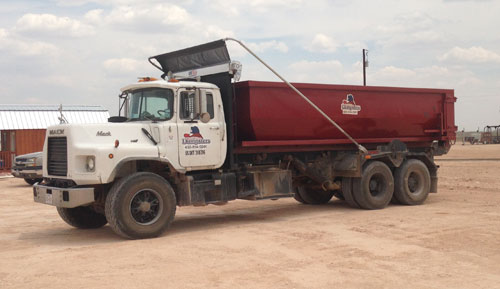
Ready to get started? Call us at 800-996-9862 for pricing, any questions you may have, and to get your dumpster or porta-potty delivery on schedule. Or simply complete the form below.
