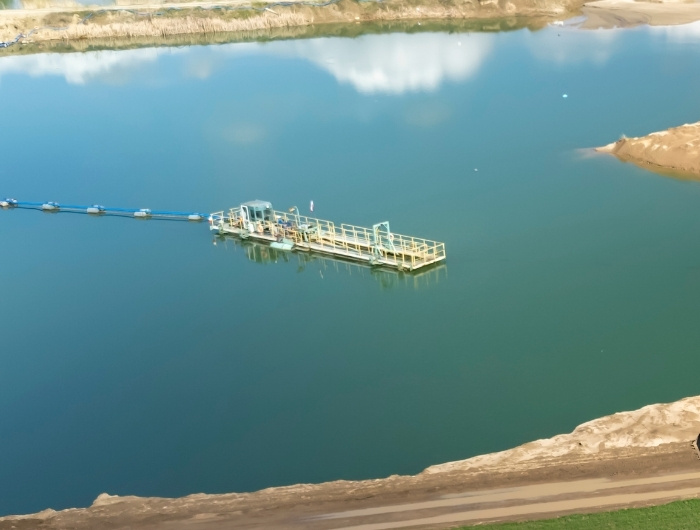
The frac pond closure process in Texas changed materially in 2025, and Permian Basin operators with existing lined pits are now working against hard regulatory deadlines. As of July 1, 2025, 16 TAC Chapter 4, Subchapter A replaced Statewide Rule 8 as the governing rule for oil and gas waste pits, including frac ponds, lined impoundments, and produced water recycling pits. The new framework requires pit registration, mandatory waste manifesting, updated liner standards, and new closure procedures.
For operators with pits still on the ground in West Texas, the question is when to register or close, under which schedule, and what closure actually involves once the work begins.
Statewide Rule 8 (16 TAC §3.8) governed Texas oil and gas waste management for over 40 years. On December 17, 2024, the Railroad Commission of Texas adopted the most significant overhaul of those rules in four decades, codified as 16 TAC Chapter 4, Subchapter A and effective July 1, 2025. Most provisions of the old SWR 8 were retired and consolidated into the new chapter, along with parts of former Statewide Rule 57 on produced water recycling.
Under the new framework, what used to be authorized by rule now requires formal registration with the RRC. Pits sort into two schedules. Schedule A covers reserve, mud circulation, completion/workover, makeup water, fresh mining water, and water condensate pits. Schedule B covers produced water recycling pits, which require registration plus financial assurance.
Two deadlines apply to existing pits, and operators need to know which one applies to them. Schedule B produced water recycling pits had to be registered with financial security in place or closed by January 1, 2026.
That deadline has already passed; any unregistered Schedule B pit on the ground today is out of compliance. Schedule A pits, including completion/workover and reserve pits, must be registered or closed by July 1, 2026. Basic sediment pits and flare pits are no longer authorized under Chapter 4 at all and must be closed or permitted by July 1, 2026.
Why this matters for frac pond operators: many large lined impoundments referred to as “frac ponds” in everyday operator language are technically produced water recycling pits, putting them under Schedule B.
Others used strictly for fresh frac water staging fall under Schedule A. The classification determines the deadline, the registration requirements, and whether financial security must be posted.
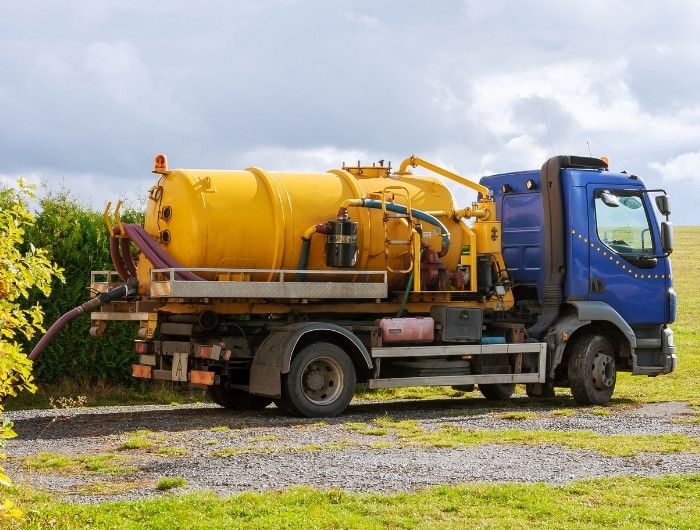
Closure of a frac pit, lined impoundment, or any other surface impoundment under Chapter 4 follows a predictable sequence. Specifics vary by pit type, contents, and site conditions, but the general workflow looks the same.
The work starts with dewatering. Any remaining produced water, frac fluid, or other liquid in the pit has to be removed first. For Schedule B produced water recycling pits, the water typically goes to a permitted disposal well or, where possible, into a recycling stream for reuse on another pad. Volume drives the timeline. A small completion/workover pit can be dewatered in a day or two. A multi-acre lined impoundment can take weeks.
Once the liquid is out, the bottom of the pit usually contains a layer of accumulated solids: settled fines, residual hydrocarbons, possibly precipitated salts. Solids and sludge removal comes next. This material gets collected, profiled as oil and gas waste under Chapter 4, and hauled to an authorized disposal facility under a waste manifest (Form EP-10).
With the pit empty and the solids out, the next step is pulling the liner. Most modern frac ponds use a high-density polyethylene (HDPE liner), often 60 mil thick or heavier. Some have a primary liner over a leak detection layer with a secondary liner beneath. The liner is cut, rolled or folded, and prepared for transport as a waste stream that needs to be classified and disposed of properly.
Then comes soil sampling beneath the liner. This is the step that determines what happens next. Samples are collected from below where the liner sat and run through TCLP (Toxicity Characteristic Leaching Procedure) testing to determine whether contaminants leached through or around the liner. Results classify the underlying soil as clean, Class 1 non-hazardous special waste, Class 2 non-hazardous special waste, or hazardous.
If TCLP results show contamination above the relevant thresholds, soil removal follows. Contaminated soil gets excavated and disposed of under the same Chapter 4 framework: profiled, manifested, and hauled by a licensed transporter to an authorized disposal site.
The final phase is backfilling and restoration. With the liner gone and the soil cleared or confirmed clean, the pit gets backfilled, regraded to the contour required by the surface use agreement, and revegetated. RRC closure documentation gets filed, financial security gets released where applicable, and the pit officially comes off the books.
The HDPE liner and any contaminated soil from beneath it both become waste streams that need a properly licensed hauler. This is where operator decisions intersect directly with credentials.
Under Chapter 4, a transporter hauling oil and gas waste off-lease needs current authorization through the RRC’s LoneSTAR system. Pit liner disposal, contaminated soil hauling, and any related waste transport must be performed by a credentialed hauler with the right authorizations on file.
West Texas Dumpsters holds an EPA ID (TXR000083663), an RRC registration (RN109046839), an IHW Transporter authorization (SWR 96263), and the Contaminated Soil Hauling License from the Railroad Commission.
Together these credentials authorize transport of Class 1 and Class 2 non-hazardous special waste, including liner material and contaminated soil profiled below those thresholds.
The new Chapter 4 framework also requires mandatory waste manifesting for every shipment. Each load needs a manifest signed by the generator, the transporter, and the receiver, with records retained for at least three years.
For operators in the Permian Basin oilfield, even routine cleanup work now requires documented chain of custody from the pit to the disposal site, every load, every time.
Material that exceeds Class 2 thresholds and tests as hazardous waste cannot be hauled by WTD. That category requires a transporter with hazardous waste authorization. The team will help operators identify when material falls outside scope so it can be routed correctly.
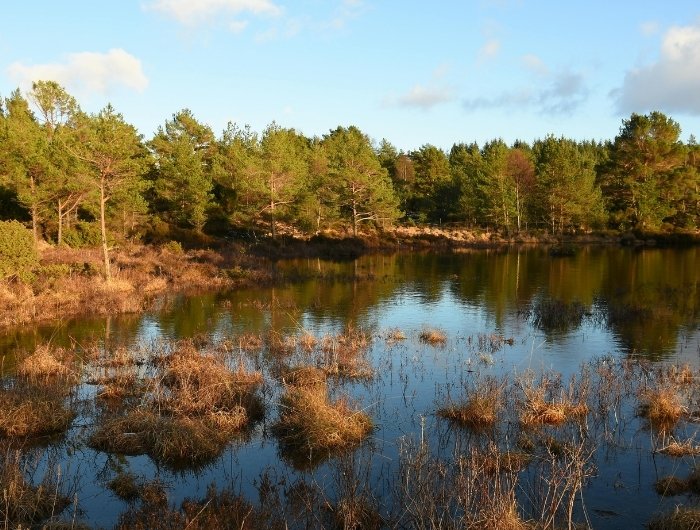
Closure under Chapter 4 is not just emptying the pit. It is returning the surface to a usable condition under the surface use agreement and the registration or permit conditions.
In practice, that means regrading to original contour where required, reestablishing vegetative cover appropriate for the West Texas climate, and submitting closure documentation to RRC. Schedule B produced water recycling pits may carry post-closure monitoring conditions written into the permit. Closure documentation typically gets reviewed by EPS staff before financial assurance bonds or letters of credit are released.
For surface owners, the visible outcome is the pit is gone and the land is ready for grazing, hunting, or future operations. For operators, it is the end of the financial liability associated with the pit.
As of July 1, 2025, 16 TAC Chapter 4, Subchapter A replaced Statewide Rule 8 as the governing regulation for oil and gas waste pits in Texas. The new rules require pit registration, impose mandatory waste manifesting, and set updated standards for liners, closure, and financial assurance. Existing produced water recycling pits had to be registered or closed by January 1, 2026. Other authorized pits, including completion/workover and reserve pits, must be registered or closed by July 1, 2026.
Yes. Authorized pit closures must be reported to the RRC using the prescribed form (currently Form EP-1 for Schedule A and Schedule B authorized pits). Permitted pits have closure conditions written into the permit, including any required post-closure monitoring. Closure work should not start without confirming what the registration or permit requires. The RRC’s Authorized Pit Registration team can be reached at AuthPits@rrc.texas.gov.
The standard test is TCLP (Toxicity Characteristic Leaching Procedure) sampling of the soil beneath the liner. TCLP results classify the underlying material as clean, Class 1 non-hazardous, Class 2 non-hazardous, or hazardous, which determines whether soil removal is required and where the material can be disposed of. Some permitted pits also carry groundwater monitoring requirements written into their original permit conditions.
Liner material and any contaminated soil from beneath it must be transported by a hauler with current RRC authorization through the LoneSTAR system. Hauling Class 1 and Class 2 non-hazardous special waste also requires an EPA ID and an IHW Transporter authorization. Soil contaminated with hydrocarbons or other regulated constituents requires a Contaminated Soil Hauling License from the RRC. Operators should verify these credential numbers in writing before contracting any hauler.

For operators in the Permian Basin oilfield with existing frac pits, lined impoundments, or produced water recycling pits, closure planning cannot wait. Schedule B deadlines have already passed. Schedule A deadlines arrive in summer 2026.
Call WTD at (800) 996-9862 to walk through what closure will involve for your specific site, including dewatering coordination, liner removal, soil sampling logistics, and waste hauling under the Chapter 4 manifesting framework. The team will scope the work and handle the loads under documented chain of custody from pit to disposal site.
