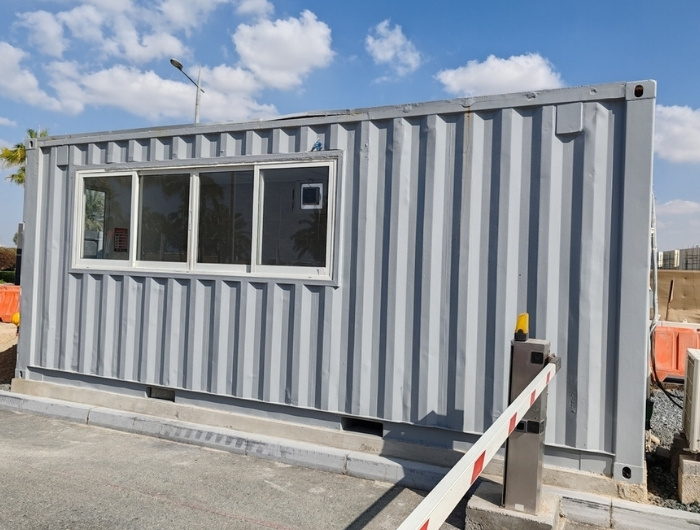
Setting up a man camp in the Permian Basin pulls together more service lines than most operators expect. Oilfield man camp waste management is not one product on a quote, it is a coordinated package: portable toilets and ADA units, large quantity holding tanks, daily pump outs, non-potable water supply, and roll-off containers for kitchen and household waste.
Standard portable toilet companies cover one piece of that. A man camp coordinator running a 50-person crew on a 90-day project usually needs all of it, on a service schedule that matches how the crew lives. This guide covers what the package includes, where most setups go wrong, how to plan one accurately, and what to expect from a credentialed provider in the Permian.
The most common cost overrun on a man camp setup is not the equipment, it is the second and third vendor calls a coordinator has to make when the first hauler cannot do everything the camp actually needs.
A standard portable toilet company can deliver standard units. The gaps show up fast after that. Shower trailers and restroom trailers run on large quantity holding tanks, and most portable toilet companies are not equipped to service them.
Operators who default to a septic company hit a different problem: most septic operators are not licensed to handle waste from active well sites, and the documentation chain rarely matches what an oilfield operator needs for compliance.
The correct service is large quantity holding tank pump outs from a hauler with EPA, RRC, and IHW credentials. That is a narrower vendor pool than most coordinators realize on the first call.
The trailer compatibility issue follows the same pattern. A camp may have shower trailers from one vendor and restroom trailers from another, each with its own fitting. A hauler without the right adapters cannot service the equipment. West Texas Dumpsters keeps a stock of PVC adapters built in-house for exactly this reason.
The kitchen waste is the third gap. A camp feeding 50 workers three meals a day produces a roll-off worth of food packaging, prep waste, and household debris faster than most coordinators estimate, and a sanitation-only vendor is not going to drop a front-load dumpster.
The first conversation in any man camp quote is about crew size and length of stay. How to plan a man camp Permian Basin setup starts there because every other number on the quote follows from it. A 25-person drilling crew on a six-week job has different sanitation needs than a 150-person turnaround crew at a gas plant for ten days. The unit counts, tank sizes, and pickup frequency are not the same.
For portable toilets, a useful starting point is one unit per ten workers when the toilets are the camp’s primary restroom facility. Specific OSHA worker-to-toilet ratios for construction sites are covered in West Texas Dumpsters’ pipeline sanitation article. ADA-compliant units should be added based on workforce composition and any contract-required accessibility provisions.
If the camp has its own restroom trailers, the calculation shifts. The bottleneck stops being unit count and starts being holding tank capacity. A 1,000-gallon tank serving a 30-person restroom trailer fills faster than most operators expect, especially when shower use spikes at shift change.
Kitchen and household waste is the part most coordinators underestimate. A camp feeding 50 workers three meals a day produces more food and packaging waste than a typical commercial site of the same headcount, and the planning conversation usually ends with the kitchen waste container sized up from the coordinator’s first estimate.
Length of stay matters too, because pump-out frequency compounds. A 90-day camp on daily pump outs is a different logistics commitment than a 10-day turnaround, and the schedule needs to be locked before the crew arrives, not after.
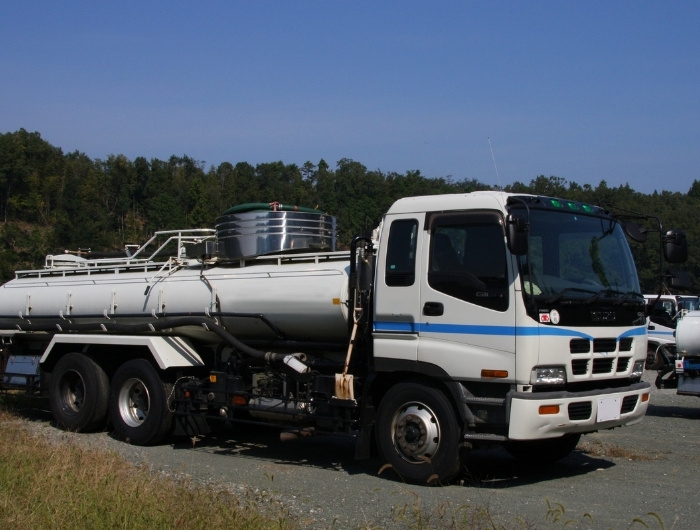
The standard cadence for an active man camp is daily pump outs on the holding tanks, with portable toilet servicing on the same route. For high-demand camps, particularly those running shower trailers at peak shift turnover, pump outs can run multiple times per day. West Texas Dumpsters services up to seven days a week, and the schedule is built around the camp’s actual shift patterns, not a default route.
Service frequency is not set once and forgotten. Active camps see usage swing as crew counts ramp up or down through different project phases. West Texas Dumpsters adjusts the schedule on request, and 24/7 customer support means changes can be made outside business hours when a camp expansion or shutdown happens on a Friday night.
Same-day and next-day delivery is available across the core Permian Basin service area for urgent setups, mid-project additions, or replacements.
For camps on RRC-permitted well sites or inside active oilfield zones, vendor credentials determine which haulers can legally enter the gate and move waste off the location. West Texas Dumpsters operates under EPA registration TXR000083663, Railroad Commission of Texas registration RN109046839, and IHW Transporter authorization SWR 96263. Field operations are managed by PEC certified operations managers, the safety credential most large operators require for vendors inside the gate.
Standard portable toilet companies generally do not carry PEC certification or RRC registration. That is the practical reason operators consolidate camp services with one credentialed provider rather than juggling sanitation, septic, water, and waste vendors.
There is also a chain-of-custody angle for compliance-sensitive operators. West Texas Dumpsters’ parent company owns Diamondback Landfill in Odessa, which means waste from camp operations goes to a disposal facility connected to the same organization.
For operators tracking solid waste documentation through to final disposal, that continuity is a structural advantage over splitting hauler and disposal across separate companies.
A useful man camp setup checklist is the set of questions a coordinator should be ready to answer on the first quote call. West Texas Dumpsters planning conversation covers six inputs:
Coming to the call with those six answers gets the quote scoped accurately on the first round, instead of stretching across two or three rounds of follow-up.

A standard planning starting point is one unit per ten workers when portable toilets are the primary restroom facility. If the camp uses restroom trailers, the question shifts to holding tank capacity and pump out frequency, not unit count. West Texas Dumpsters calculates based on crew size, shift patterns, and trailers already on site.
Daily is standard for active camps. Multi-daily pump outs are common at camps with shower trailers and high water use, particularly around shift changes. Service can run up to seven days a week. The schedule is built around the camp’s actual usage pattern, not a default cadence.
Yes. West Texas Dumpsters has adapters for shower trailers, kitchen trailers, and restroom trailers from a range of manufacturers. The trailer rental and the waste service do not have to come from the same vendor.
No. West Texas Dumpsters provides front load and residential side load dumpsters for the kitchen and household waste side of the camp, which means the same provider handling sanitation can also handle the solid waste roll-off service.
Every man camp setup gets scoped individually based on crew size, location, project length, and equipment already on site. To start the planning conversation for a Permian Basin camp, call West Texas Dumpsters at 800-996-9862. The team services Midland, Odessa, Pecos, Monahans, Andrews, and the surrounding oilfield communities, with same-day and next-day delivery available for urgent setups.
